
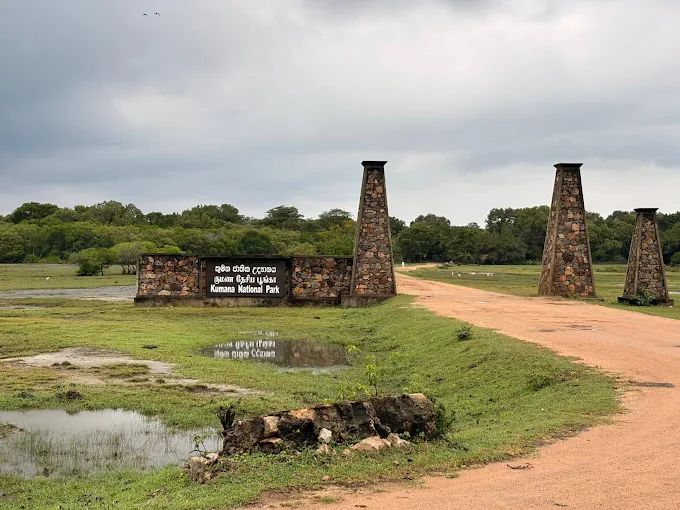
History of Kumana National Park – Kumana is one of Sri Lanka’s oldest and most important wildlife conservation areas, known for its rich biodiversity, birdlife, and historical significance. Located in the southeastern region of Sri Lanka near Arugam Bay, the park has a long history connected to wildlife conservation, ancient civilization, and natural heritage.
Originally declared a bird sanctuary in 1938, Kumana became recognized as an important habitat for migratory and endemic bird species. Later, in 1970, the area was officially designated as a national park to protect its diverse ecosystems, wildlife populations, and wetlands.
More Details – Kumana National Park
Book Kumana Safari Tickets – Instant confirmation via WhatsApp
⭐ Rated 4.9 by 1200+ travelers | ✔ Instant WhatsApp booking | ✔ Free cancellation*
Origin of the Name “Kumana”
The name “Kumana” is believed to come from the ancient region and village surrounding the park. The area is especially famous for Kumana Villu, a large natural swamp lagoon that attracts thousands of birds every year.
The word “Villu” refers to a natural wetland or water basin formed by rainwater and river water. These wetlands play a major role in supporting the park’s wildlife and bird populations.
Ancient Civilization and Cultural Importance
The forests and surrounding areas of Kumana have a long connection with ancient Sri Lankan civilization and Buddhist history. Archaeological evidence suggests that monks and ancient communities once lived in this remote wilderness area.
Kudumbigala Monastery
Kudumbigala Monastery is one of the most important historical sites near Kumana National Park. This ancient Buddhist monastery dates back more than 2,000 years and was used by monks for meditation and religious activities.
Visitors can still explore:
- Ancient cave temples
- Rock inscriptions
- Stone ruins
- Forest pathways
- Scenic viewpoints
Wildlife Conservation History
Kumana National Park has played an important role in wildlife conservation in Sri Lanka for many decades. The park protects a wide range of habitats including:
- Wetlands
- Lagoons
- Mangroves
- Dry forests
- Grasslands
These habitats support many species of animals and birds, including several rare and endangered species.
Important Wildlife Species
- Asian Elephants
- Sri Lankan Leopards
- Mugger Crocodiles
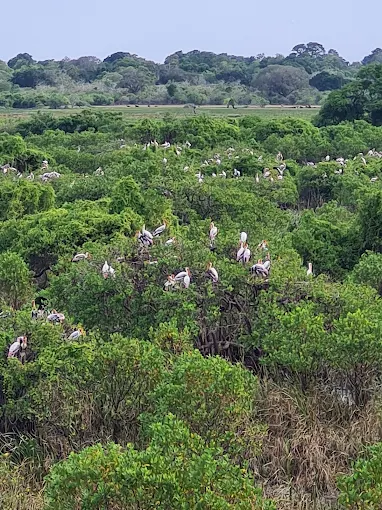
- Painted Storks
- Pelicans
- Spoonbills
- Black-necked Storks
The park is internationally famous for migratory birds arriving from India, Siberia, and other parts of Asia during the migration season.
Civil Conflict and Reopening
During Sri Lanka’s civil conflict, Kumana National Park remained closed to visitors for several years due to security concerns in the Eastern Province.
After the conflict ended in 2009, the park was reopened for tourism and safari activities. Since reopening, Kumana has become increasingly popular among wildlife enthusiasts, photographers, and birdwatchers.
The years of limited human activity also helped preserve much of the park’s untouched natural beauty.
Kumana National Park Today
Today, Kumana National Park is one of Sri Lanka’s most peaceful and scenic safari destinations.
Visitors travel from around the world to experience:
- Wildlife safaris
- Birdwatching tours
- Nature photography
- Eco-tourism adventures
- Cultural and historical exploration
The park continues to be managed and protected by the Department of Wildlife Conservation of Sri Lanka.
A Unique Wildlife and Nature Destination
Kumana National Park offers a unique combination of wildlife, birdlife, wetlands, forests, and ancient history. Unlike busier safari parks, Kumana provides a calm and authentic wilderness experience surrounded by untouched natural landscapes.
From ancient monasteries hidden in the jungle to thousands of birds nesting near peaceful lagoons, Kumana remains one of Sri Lanka’s hidden natural treasures.